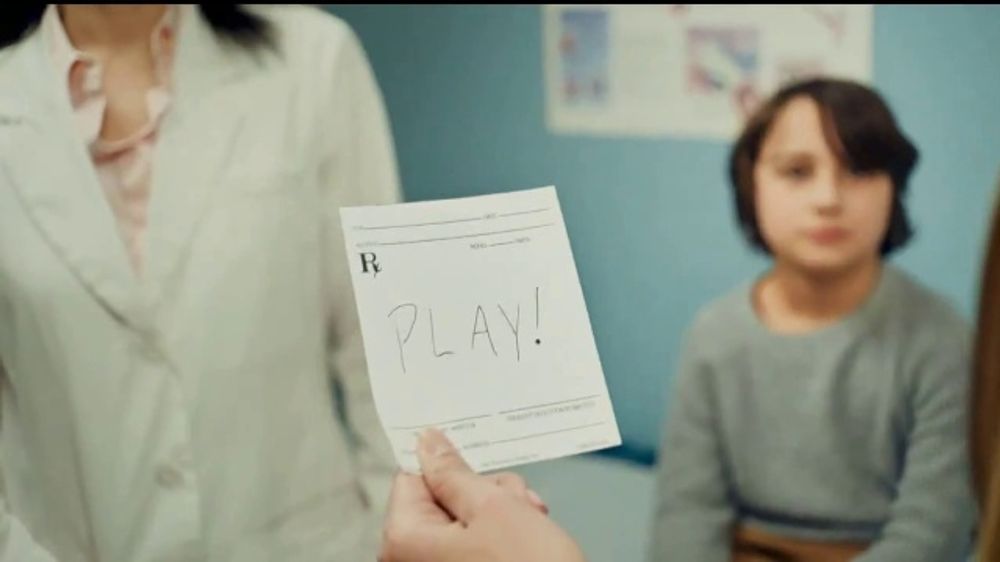
Prescription for Play
Context
It all started with a clinical report published by the American Academy of Pediatrics in the September 2018 issue of the Pediatrics journal. Titled The Power of Play: A Pediatric Role in Enhancing Development in Young Children, the report stressed the fundamental role of play in children’s healthy development and recommended that pediatricians encourage playful learning for parents and infants by writing a “prescription for play” at every well-child visit in the first two years of life.
Opportunity
At the time the report came out, I was leading The Genius of Play—a national brand, thought leadership, and digital platform by The Toy Association. The Genius of Play had a strong foundation in child development and brain research from the very beginning but this new guidance from the American Academy of Pediatrics presented a fresh opportunity to tell the story of why play is important in a culturally relevant way.
The report itself painted a snapshot of the modern parenting culture:
“For many families, there are risks in the current focus only on achievement, after-school enrichment programs, increased homework, concerns about test performance, and college acceptance. The stressful effects of this approach often result in the later development of anxiety and depression and a lack of creativity. Parental guilt has led to competition over who can schedule more ‘enrichment opportunities’ for their children.”
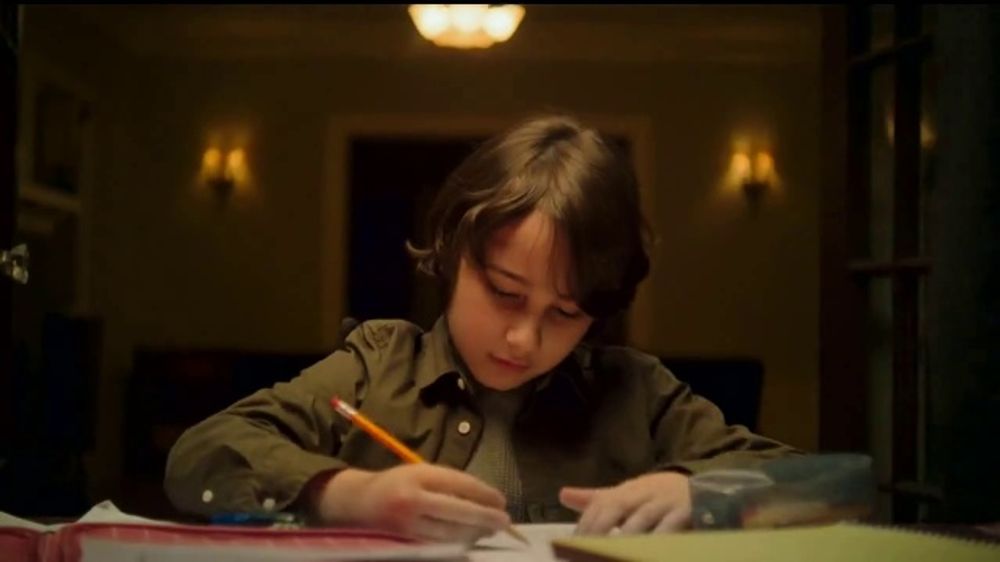
The goal was clear: we needed to translate the American Academy of Pediatrics research and clinical guidance into emotion-led, culture relevant storytelling that would resonate with parents and influence behaviors, ultimately bringing more play to children’s lives.
Implementation Plan
We had a killer piece of research, so the first thing to do was develop a killer story to bring this research to life. I partnered with Makeout NYC to create the “Prescription for Play” PSA, which told the story of Luke—a young boy with loving parents who wished the best for him and were doing everything they possibly could to make sure his homework got done—until a pediatrician’s prescription changed everything.
As in any fully integrated campaign, the hero asset was just one piece of the puzzle. Following the PSA’s release in April 2018, I led the launch of #PlayAllMay—a month-long celebration of play featuring consumer activations and toy industry partnerships across multiple channels:
- Community play events hosted by Learning Express stores around the U.S., incorporating #PlayAllMay messaging and signage.
- Online #PlayAllMay hub featuring 31 play inspiration ideas (one for each day of the month).
- Partnerships with social media influencers to amplify the message and drive traffic to the online hub.
- Daily toy giveaways featuring products from The Toy Association members.
- Downloadable campaign assets for toy and play industry stakeholders to share on their own channels.
Results
- “Prescription for Play” PSA and #PlayAllMay celebration reached over 8 million consumers and engaged dozens of toy companies.
- To measure the impact on parental perceptions of play and toys, The Toy Association partnered with an independent consumer research firm, ConsumerQuest.
- The research analyzed perceptions, attitudes, and toy purchase intent among two distinct cohorts—one had exposure to the campaign and the other did not.
- The findings confirmed that parents and caregivers who experienced the campaign were significantly more likely to connect play with healthy child development and to purchase toys for their children.